
 Gonzalo TéllezSechura Recupera
Sechura Recupera
Research with entrepreneurs and families that defined which products the program needed, and what they had to be like for people to use them.
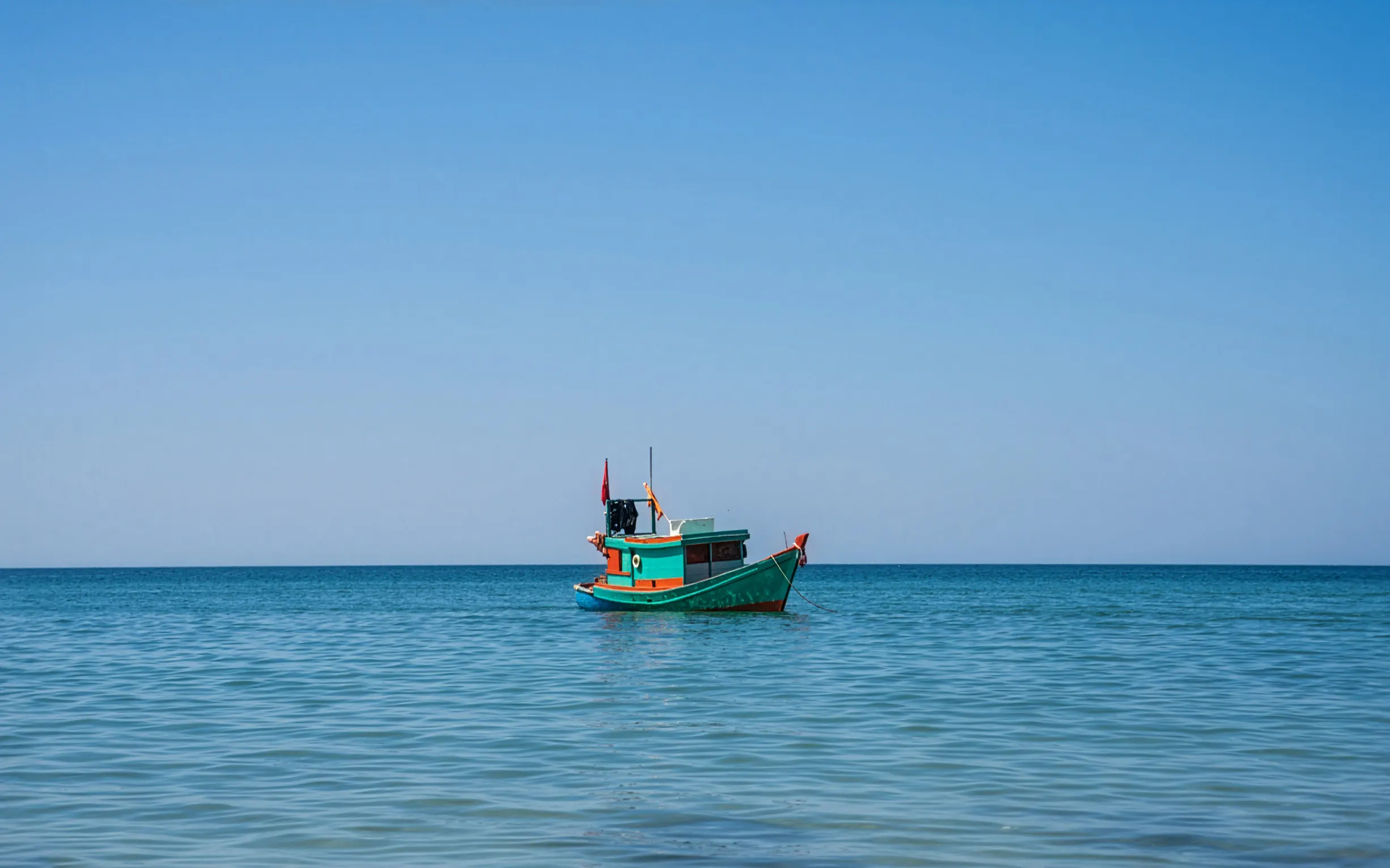
A bay that lives off fishing
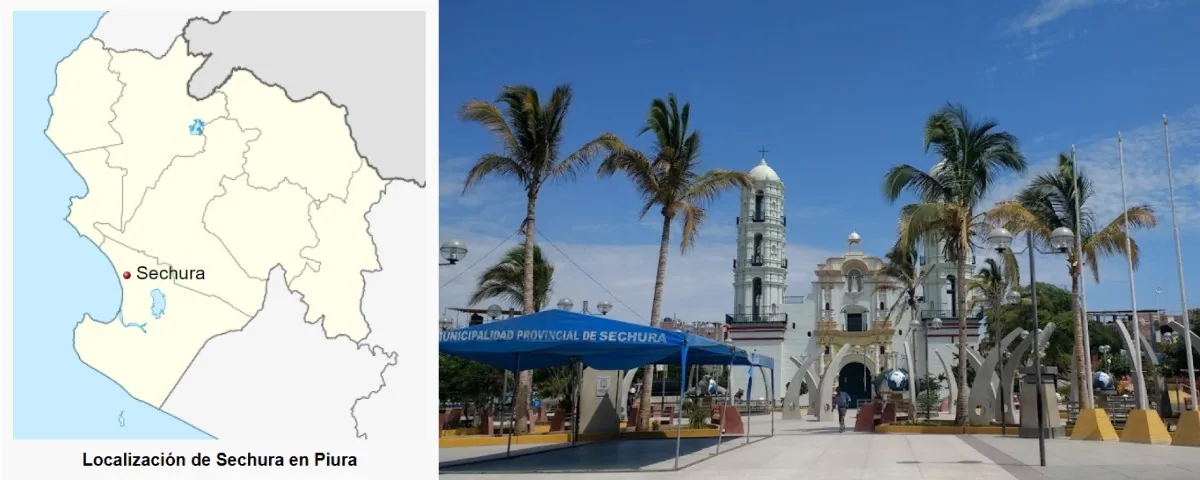
Sechura Recupera is an Ayuda en Acción project in the Bay of Sechura, in Piura, an area of about 21,000 people who largely live off fishing. In 2022 I joined as a design and communications consultant, alongside the Ayuda en Acción team, to define and produce the program's materials.
Implemented by

Funding · € 238,000

Two measurable goals, one program
The program had to get local businesses to sell more and fewer children to have anemia. To do that it needed materials people would actually adopt, not just receive: accessible to very different audiences and sustainable once the project ended.
Research first, produce later
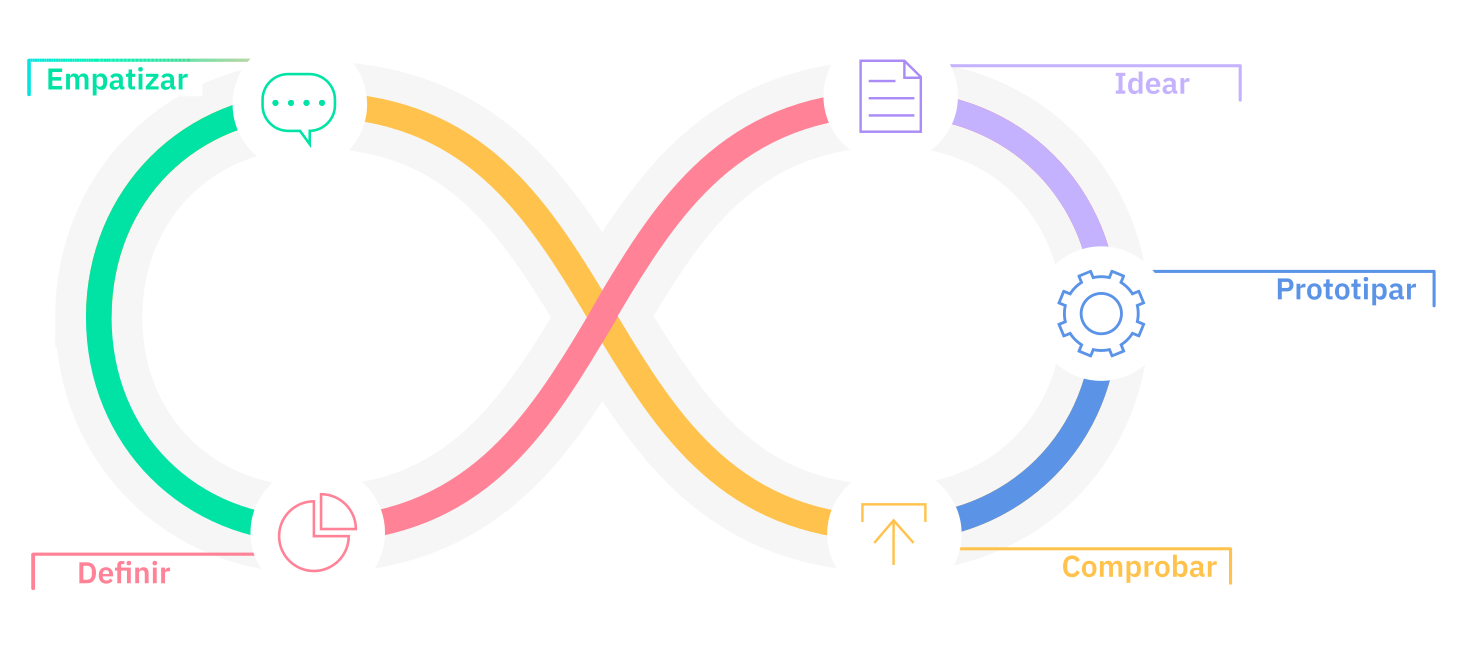
We worked in the field with the Ayuda en Acción team and with a 4-person production team I coordinated, using Design Thinking and hypothesis-driven development.
- 01We researched before proposing anything.
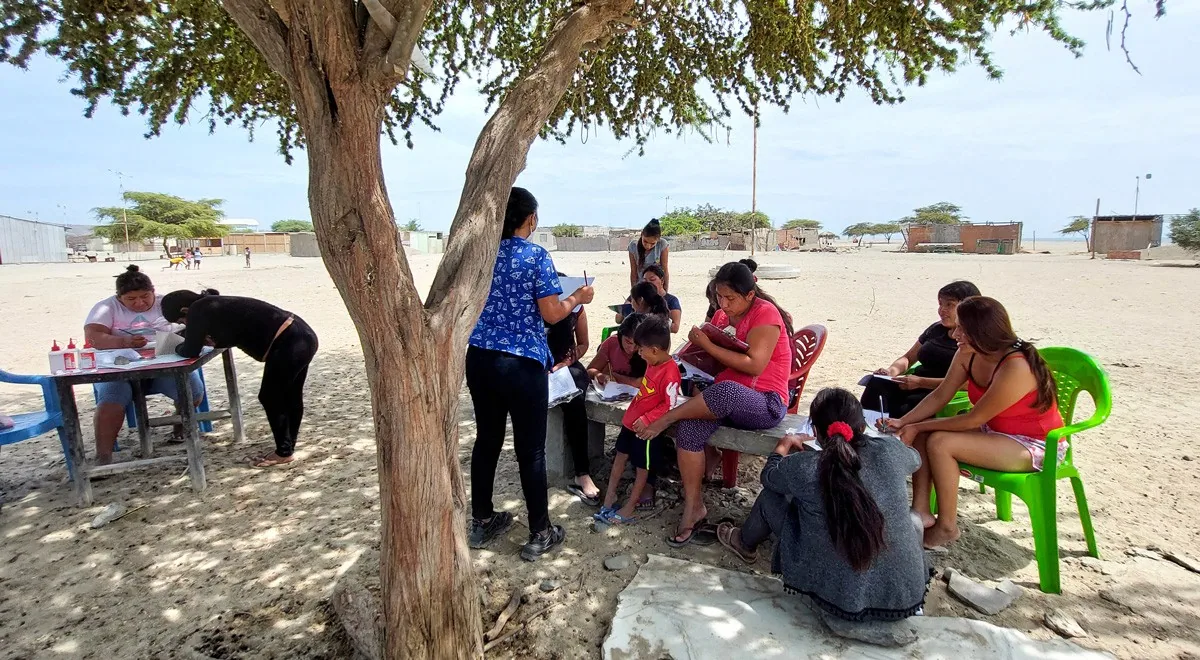
47 interviews with entrepreneurs and families, and tests with 22 children, to understand what needed to be learned, how, and who would use it.
- 02We proposed the products from sustainability and accessibility.
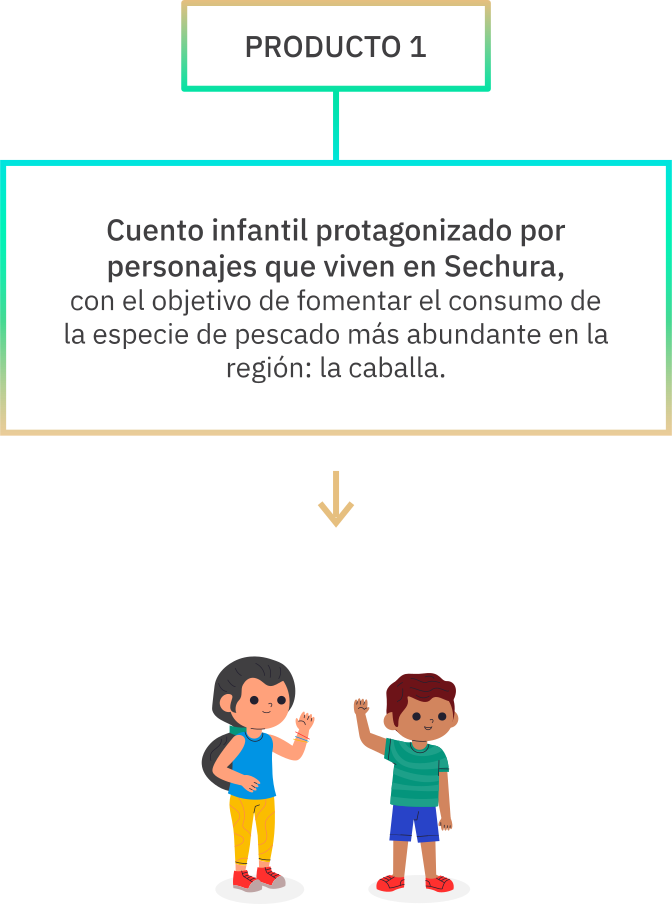
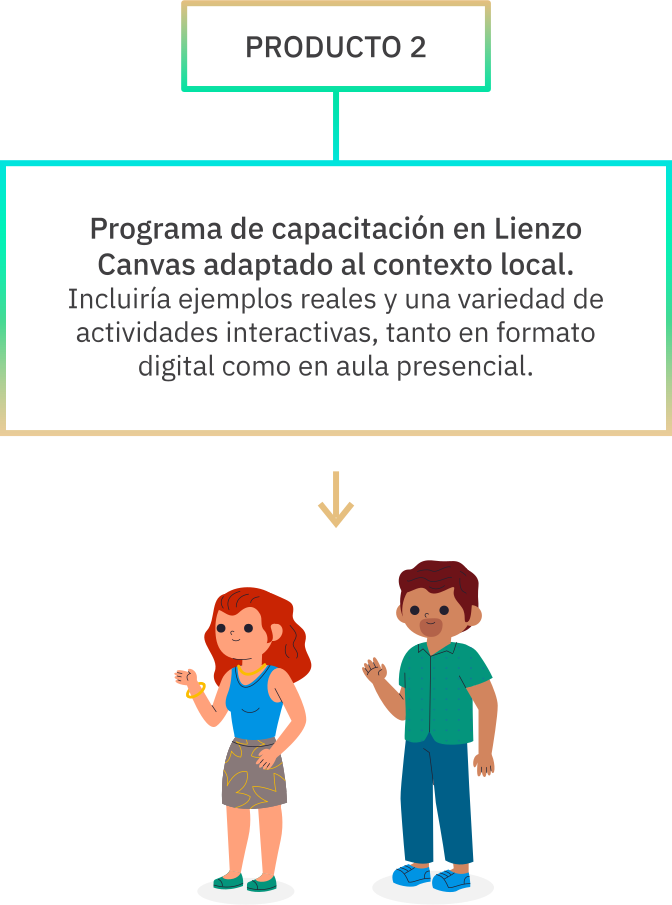
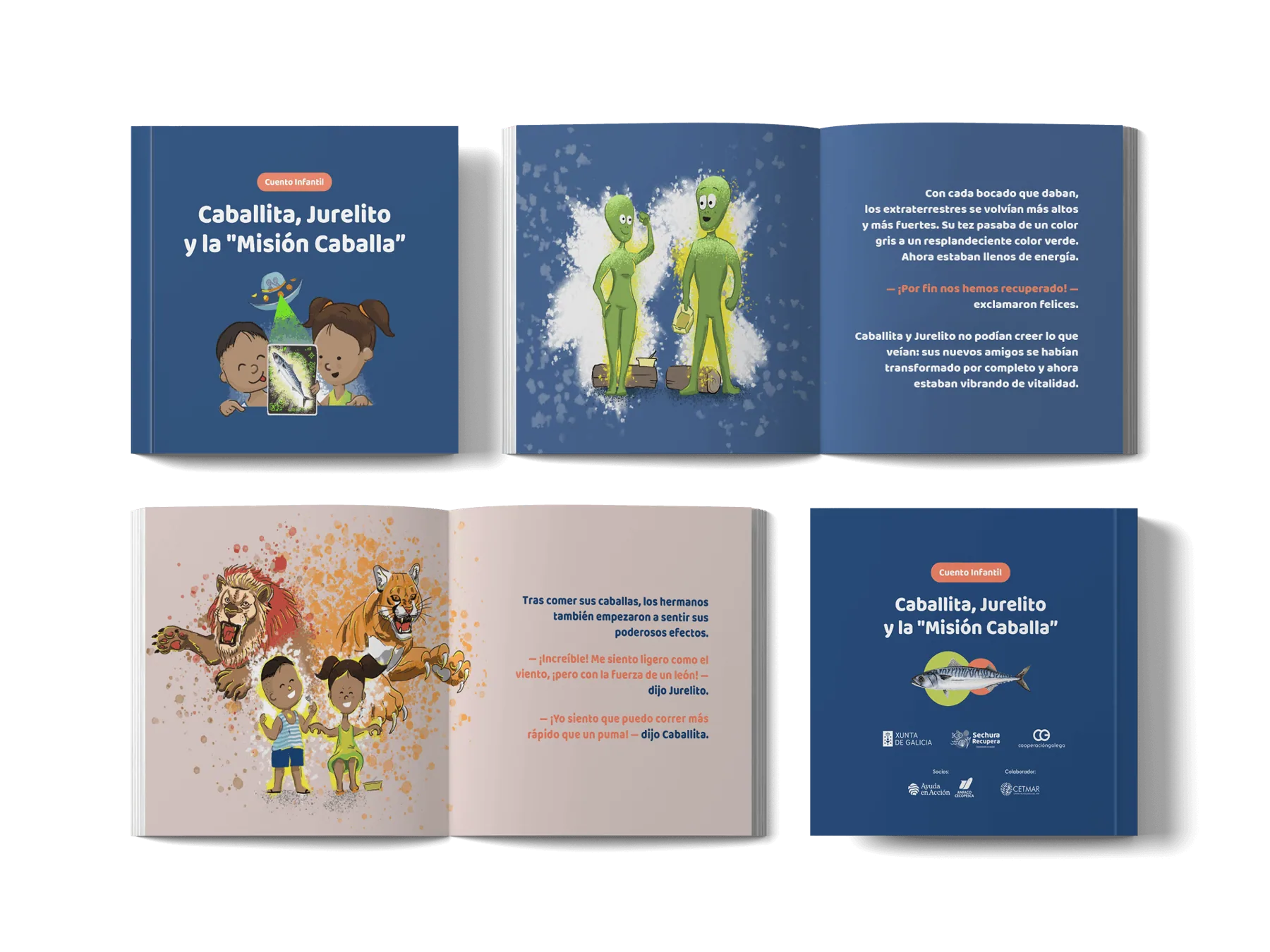
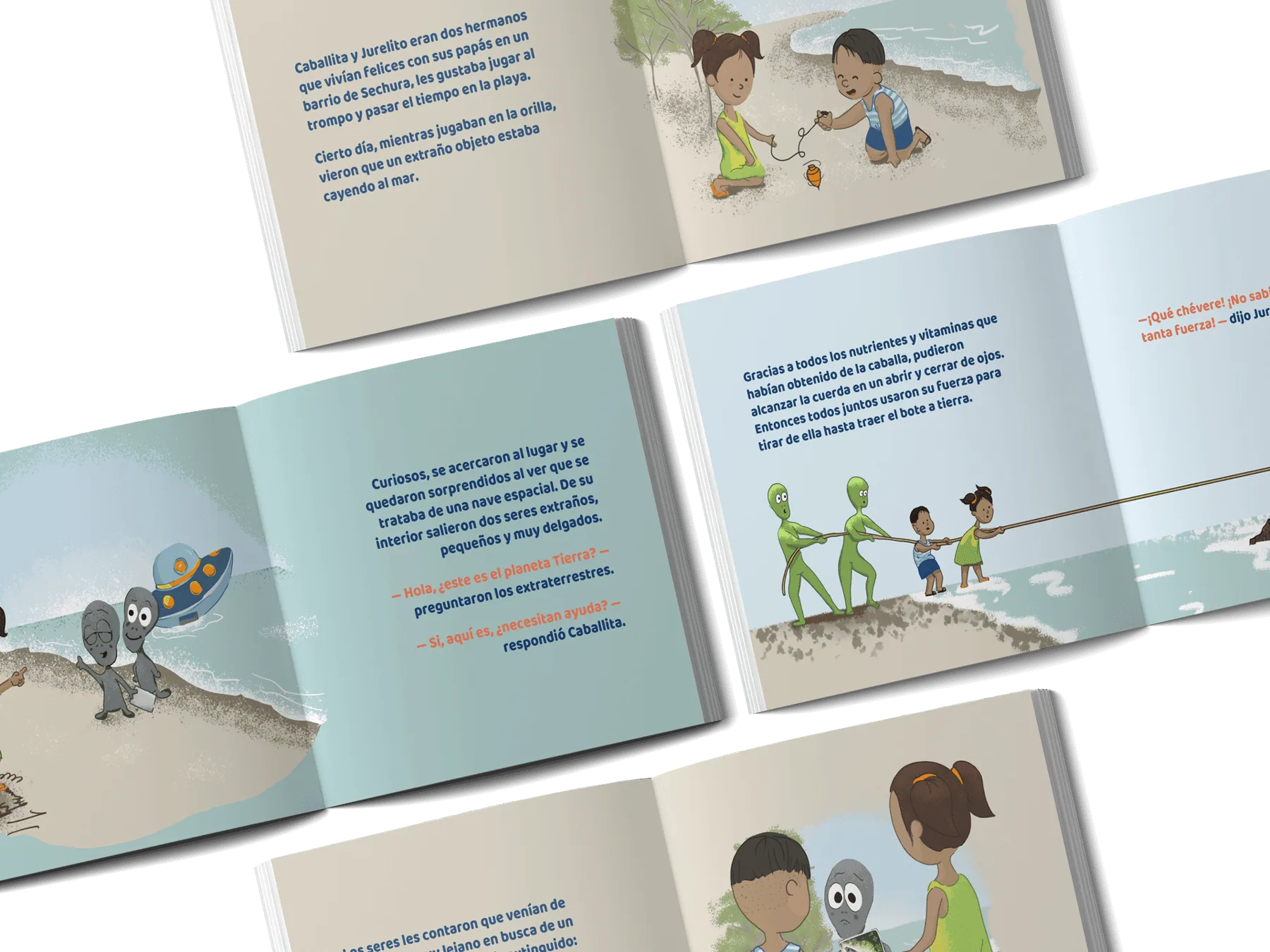
A children's storybook, «Caballita, Jurelito y la Misión Caballa», for schools, and an e-learning training program for the businesses.
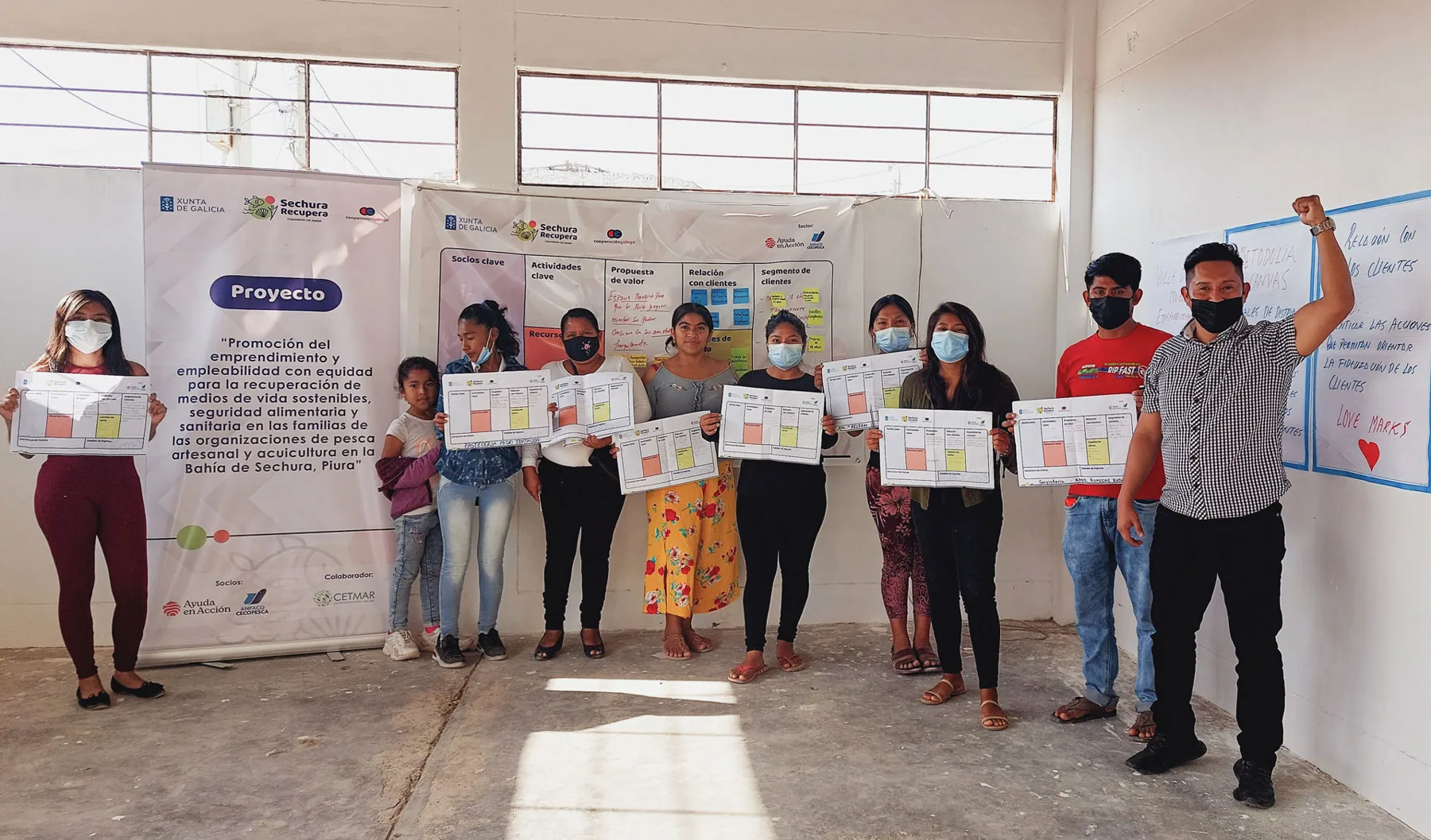
- 03We structured the training in five sessions.
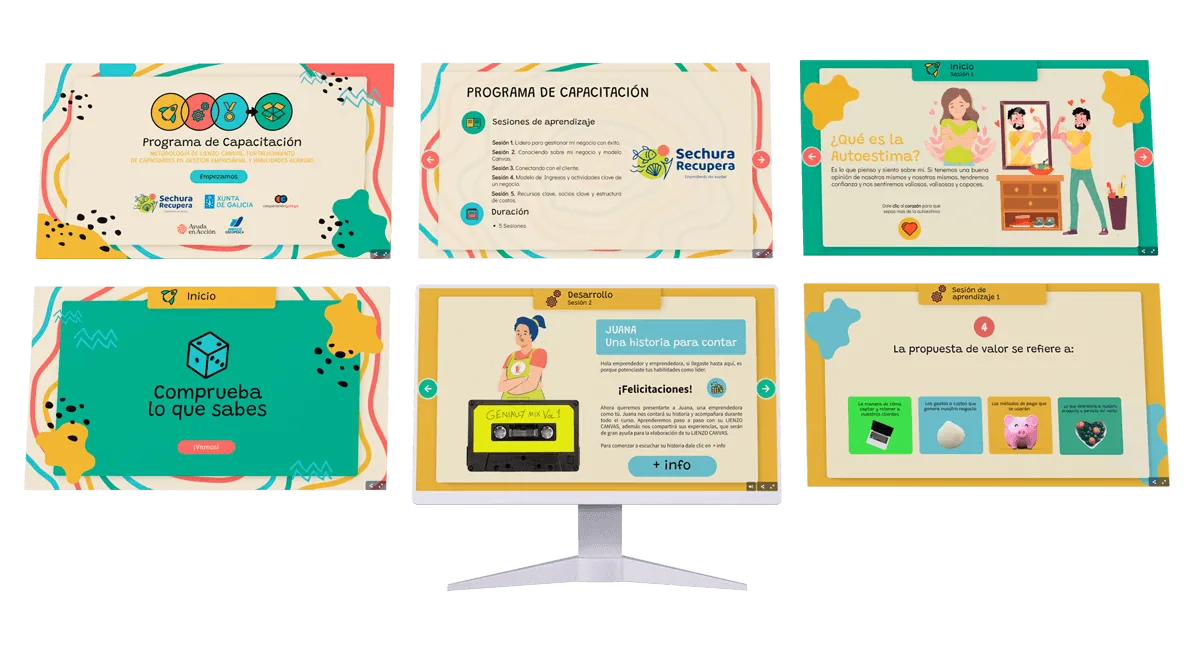
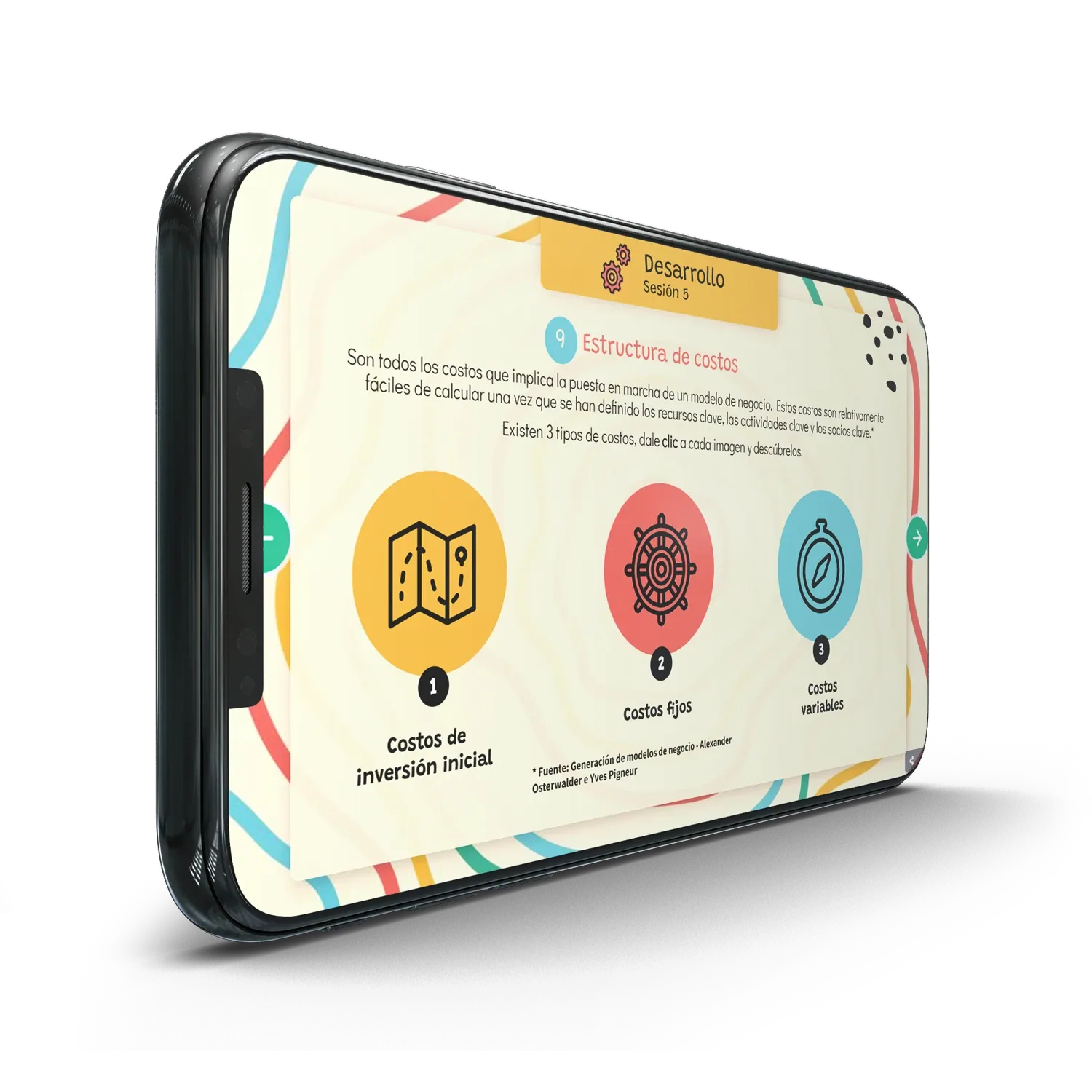
Leadership, business model with the Canvas, customer connection, revenue model and key activities, and resources, partners and cost structure.
- 04I coordinated the production of the materials.
The storybook, the e-learning platform, a mobile app and the project video.
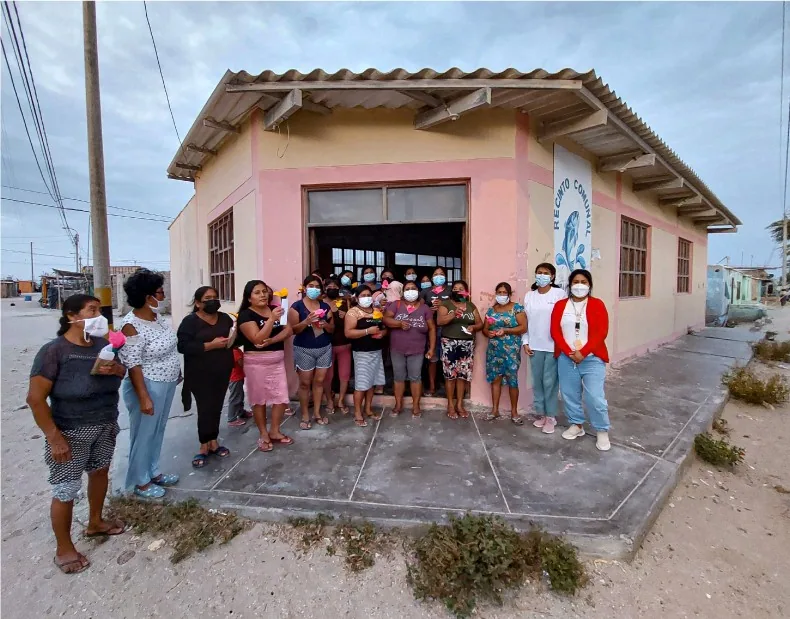
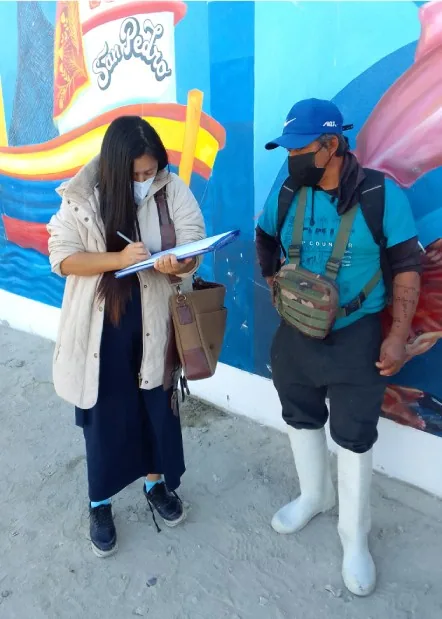
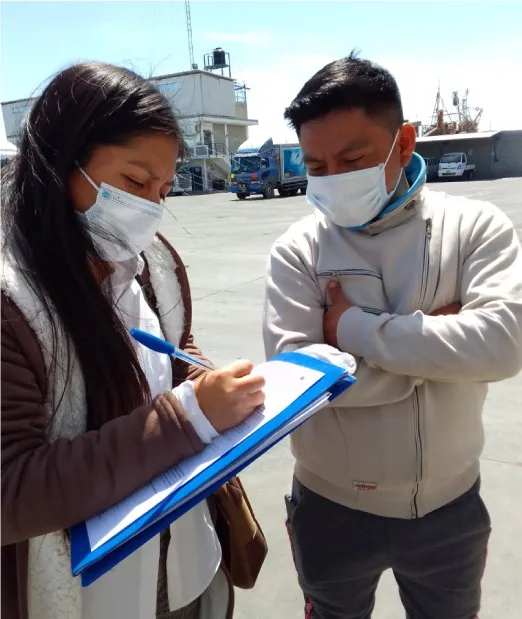
47 interviews in the bay
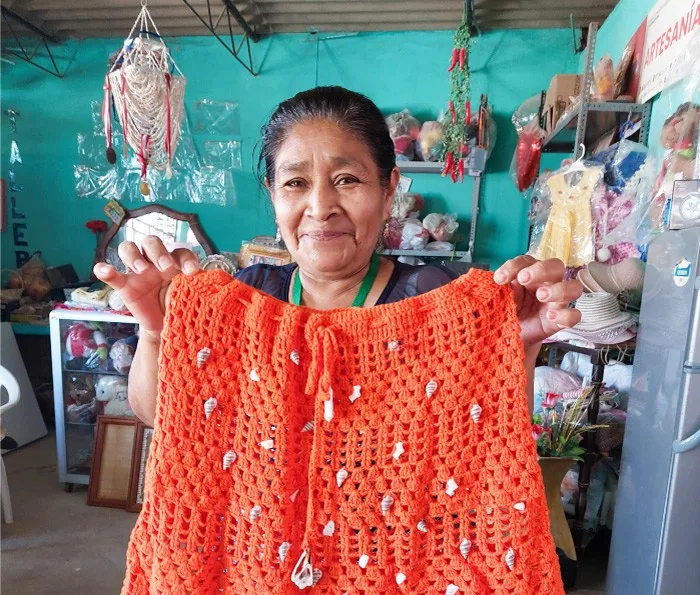
Interviews and observation with fishermen, women entrepreneurs and families, and a separate team in five local schools.
What the data did not show
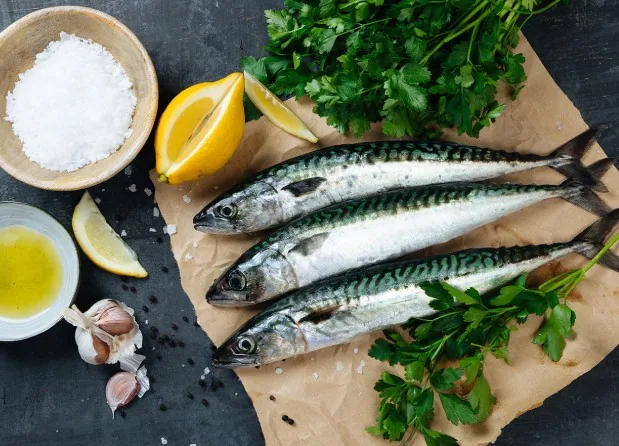
Children even make fun of whoever eats it. If it is valued, demand can grow and help prevent anemia.
A practical, accessible tool would let them plan, manage and generate sustainable income.
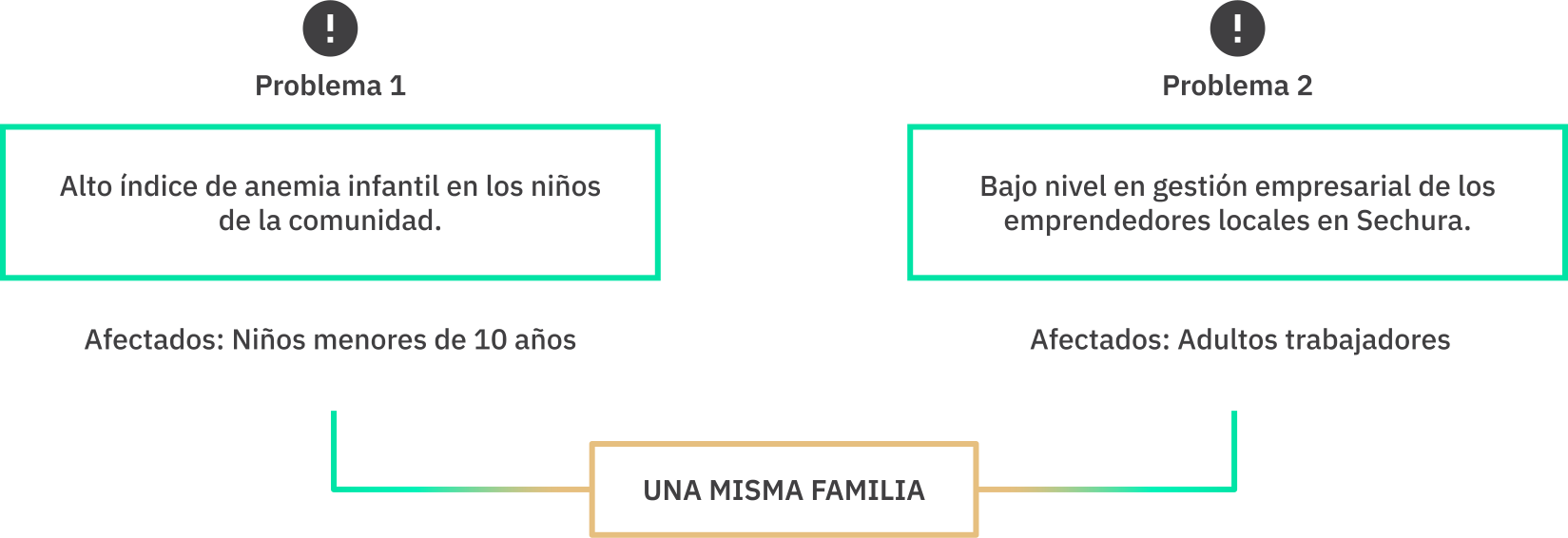
One product for each problem
From sketch to interactive prototype
Storyboards built on the interviewed children's tastes, A and B wireframes, and a high-fidelity interactive prototype for a learning session.
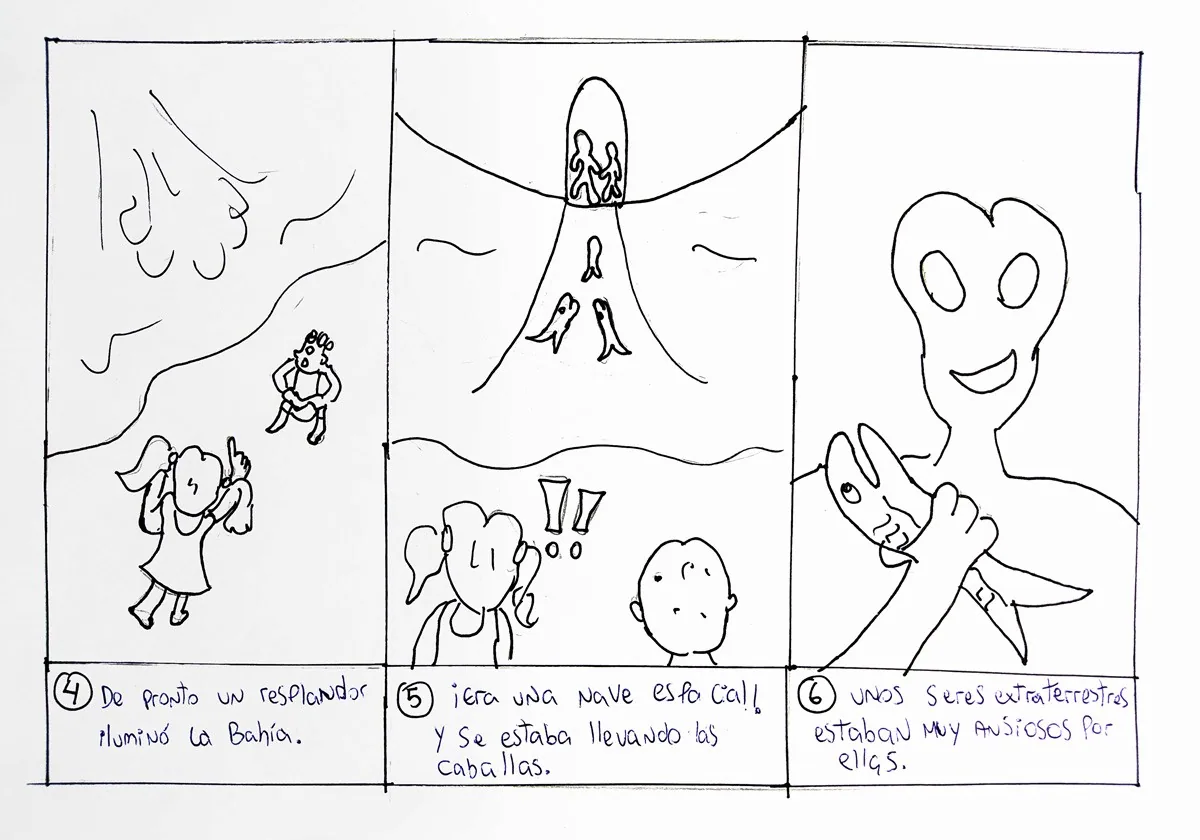
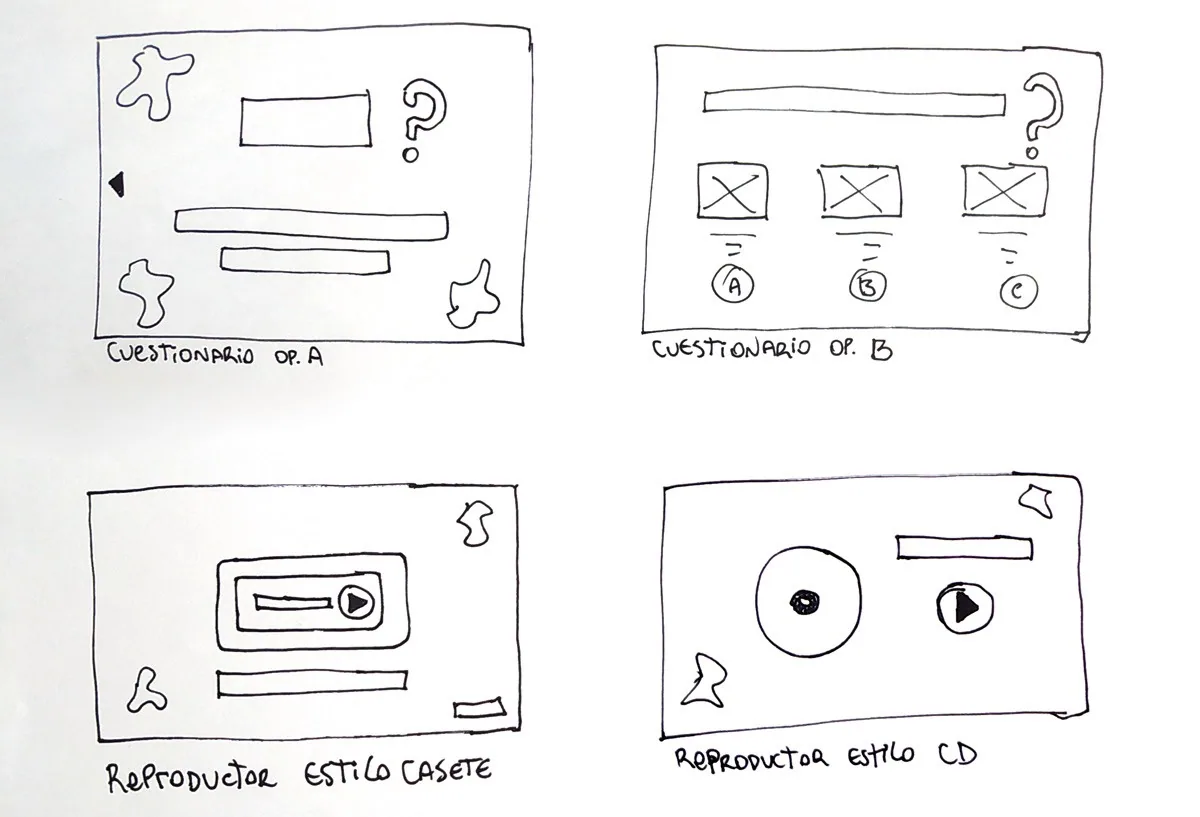
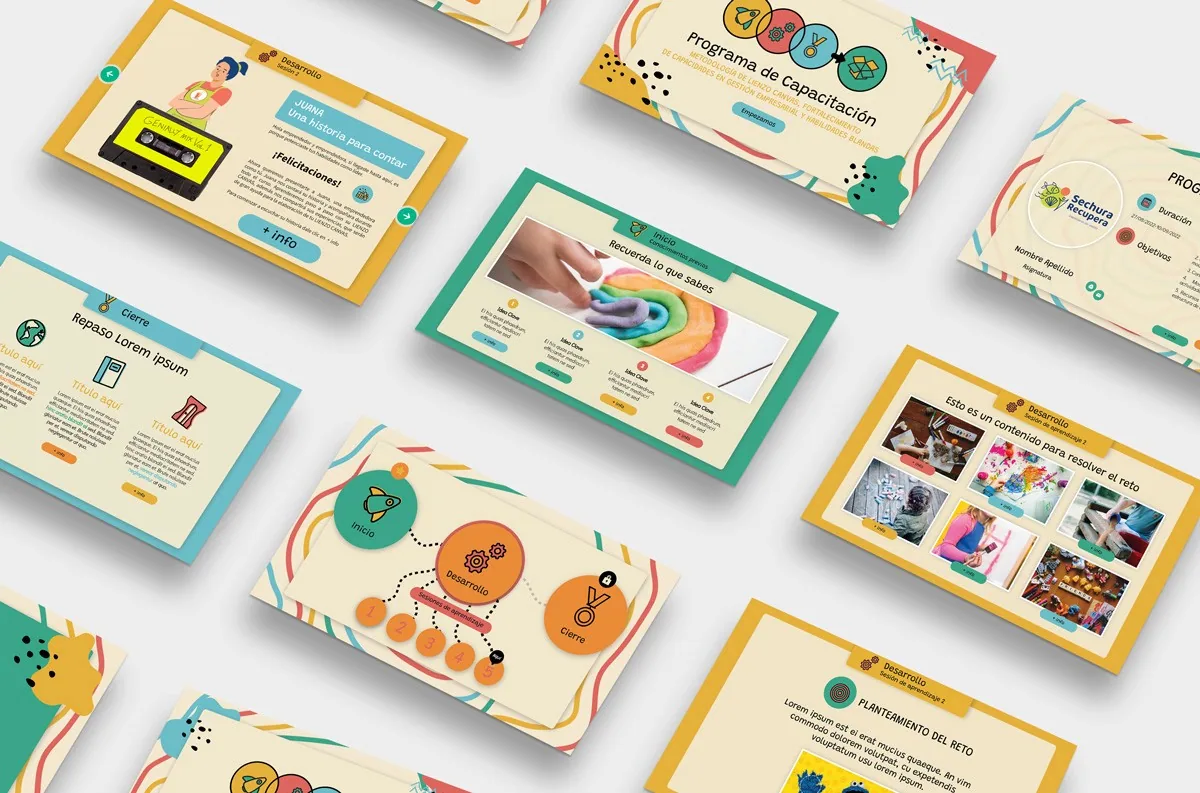
A story read to 22 children and two pilot classes
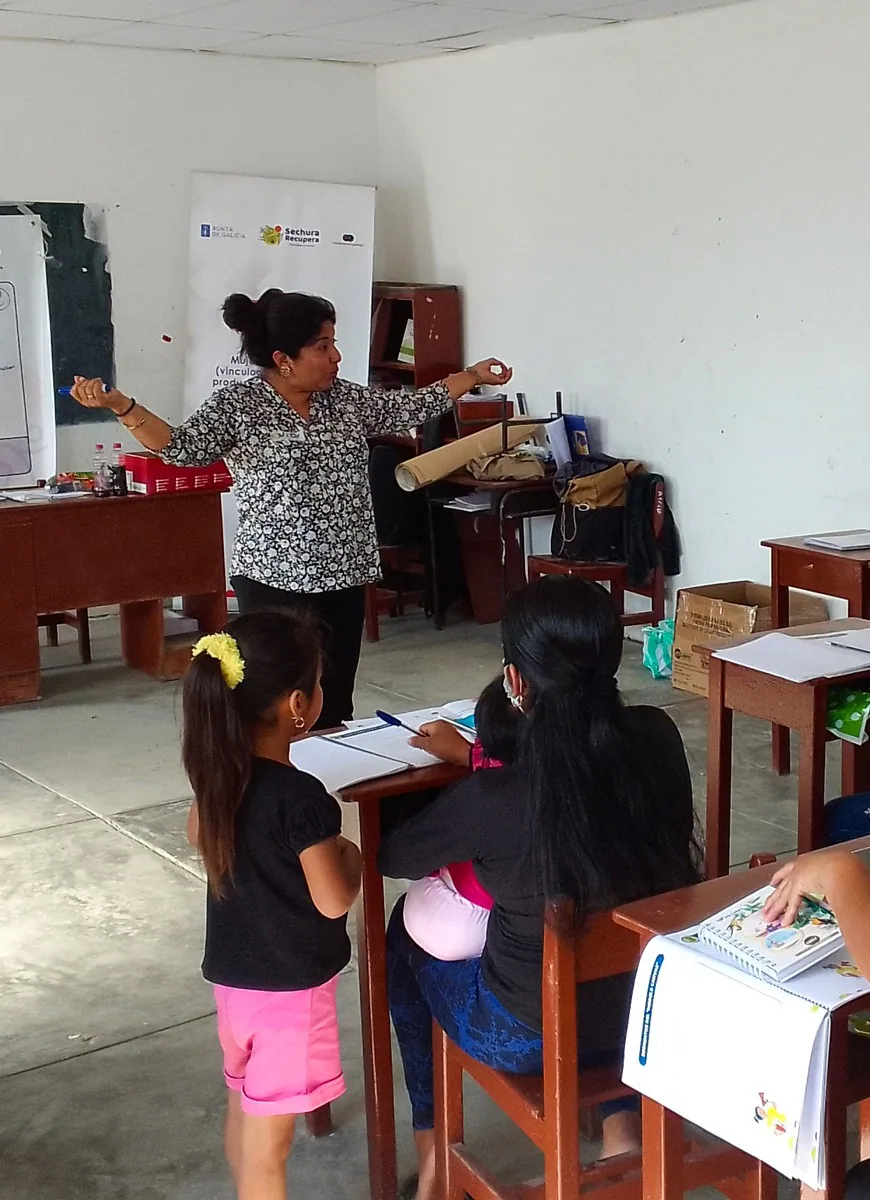
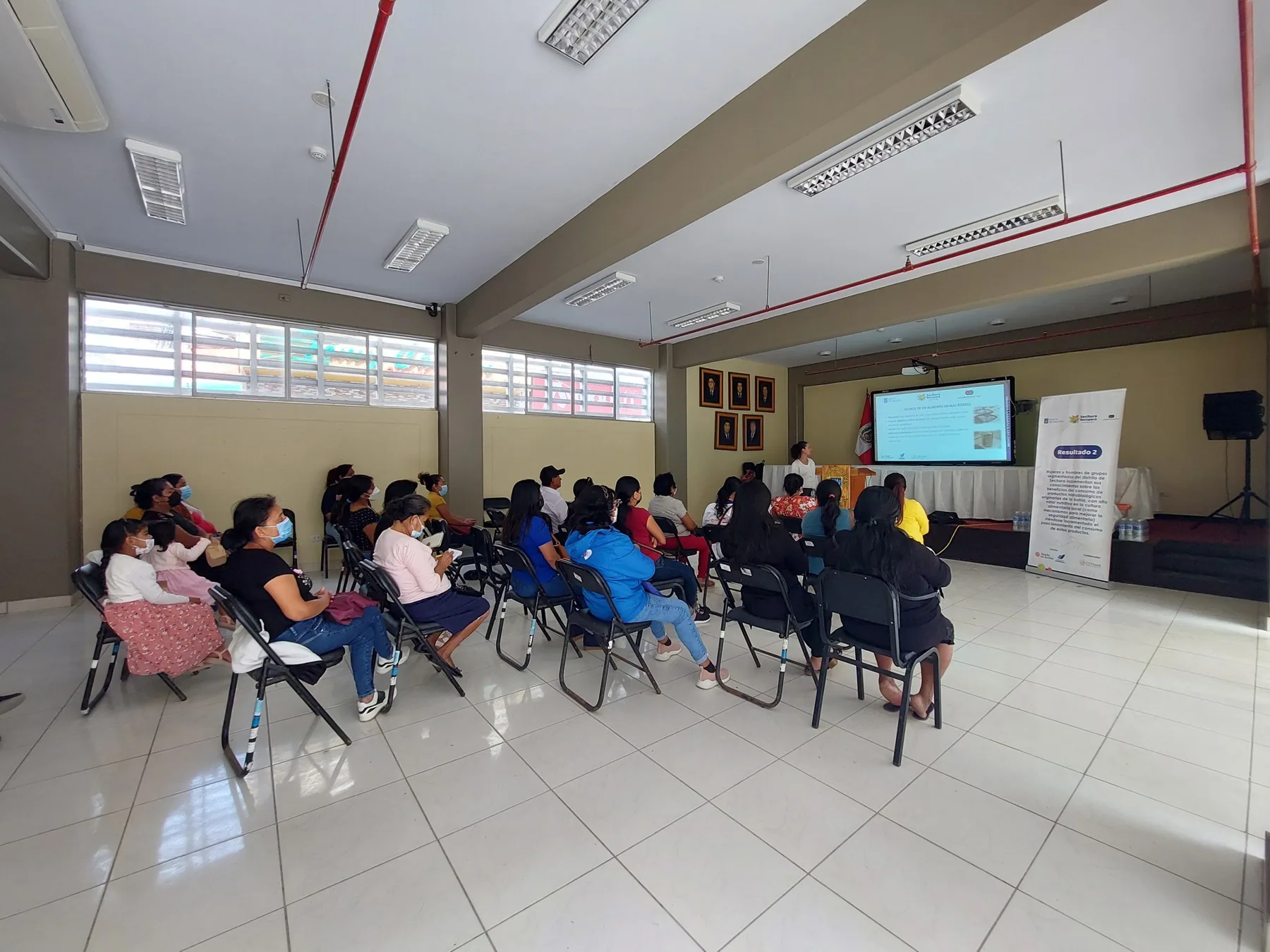
We read the story to 22 children and their parents to see whether they enjoyed it and understood the message, and made them part of the story. The pilot classes assessed how adults adapted to the digital format combined with in-person learning.
What the program recorded
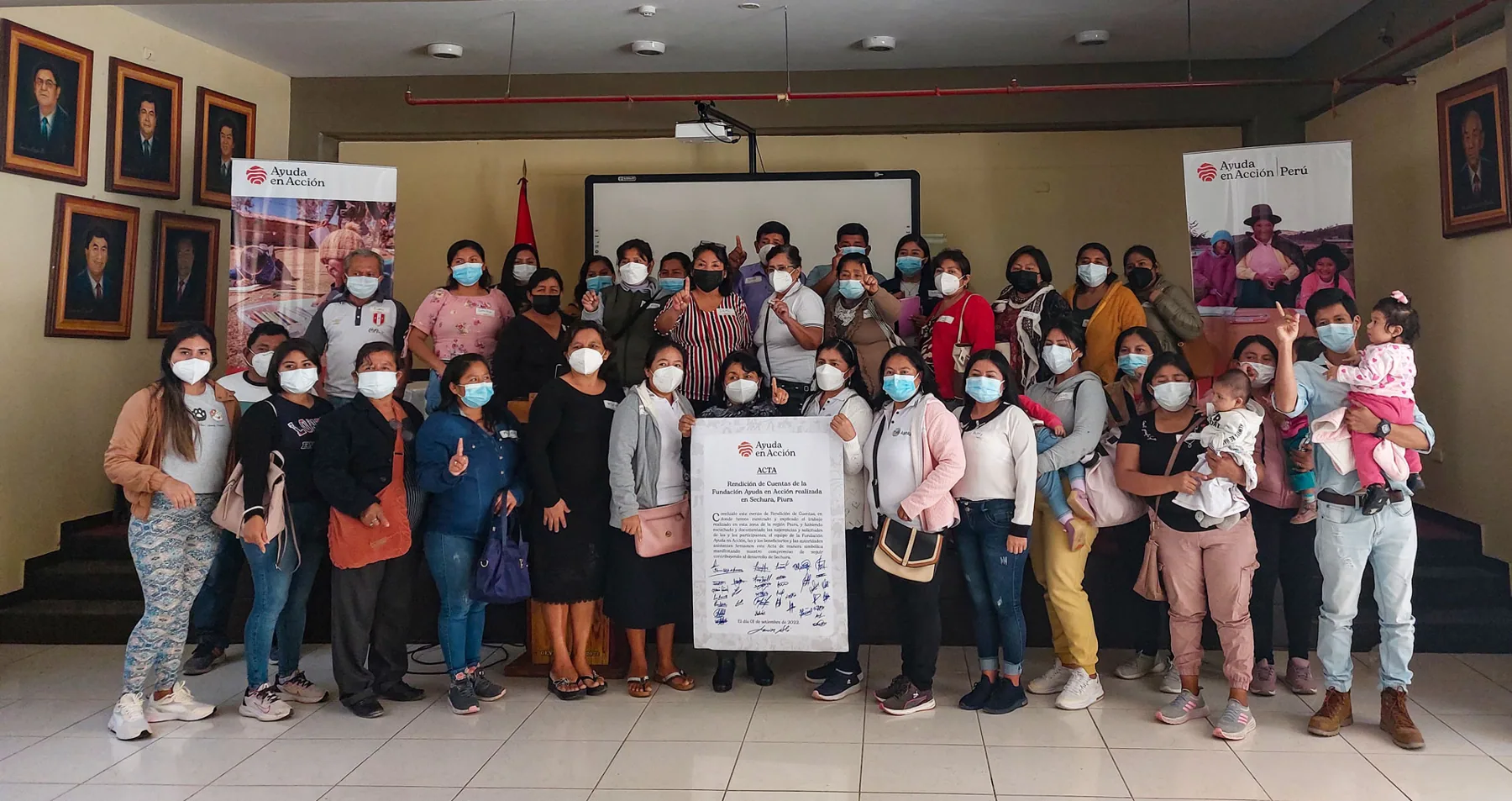
The program supported more than 500 entrepreneurs in the bay, recorded 50% more local business activity and helped more than 6,000 children overcome anemia. The storybook reached more than 100 schools, 485 people graduated from the training and 40 new businesses were funded.
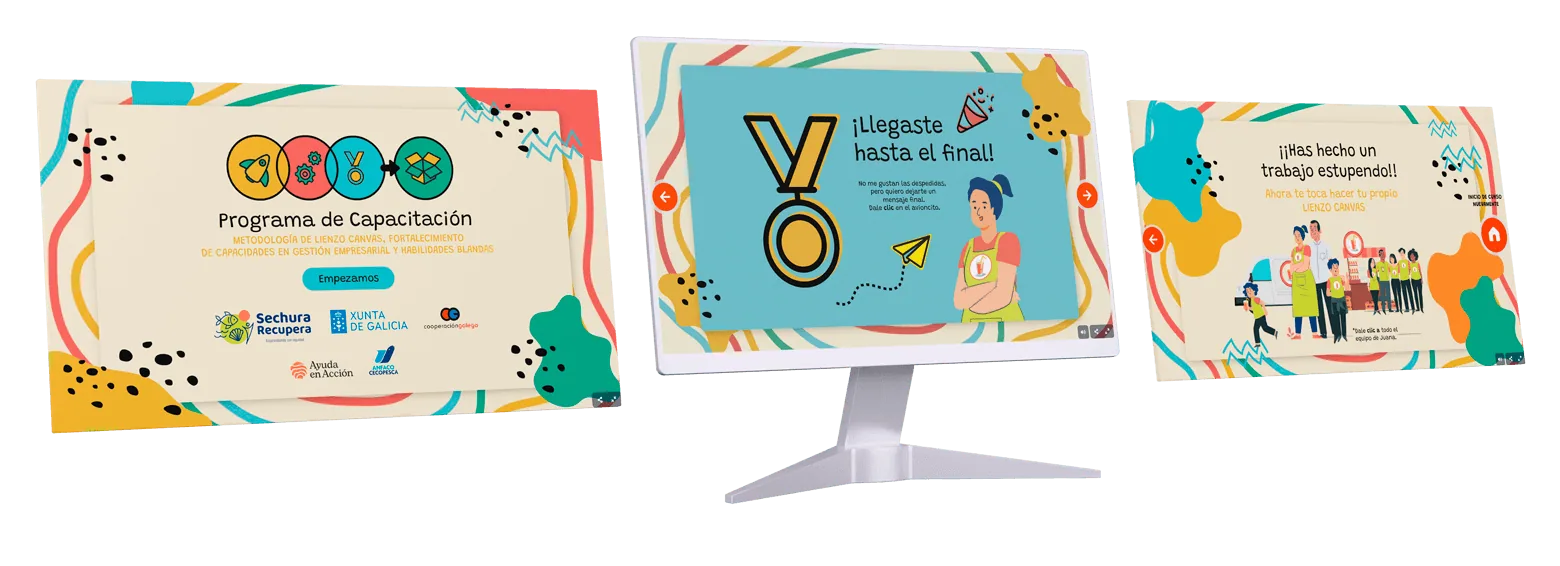
The training, on web and app
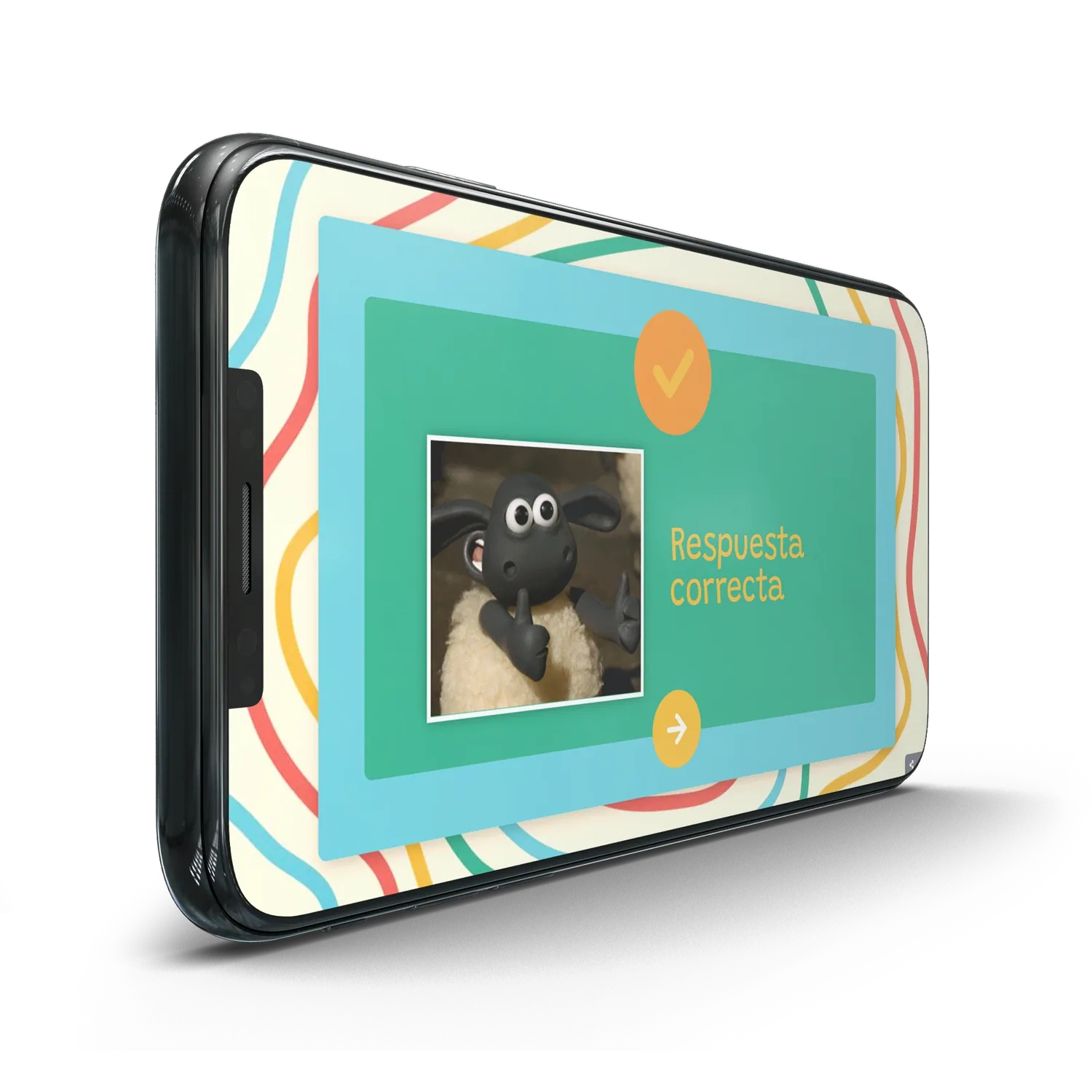
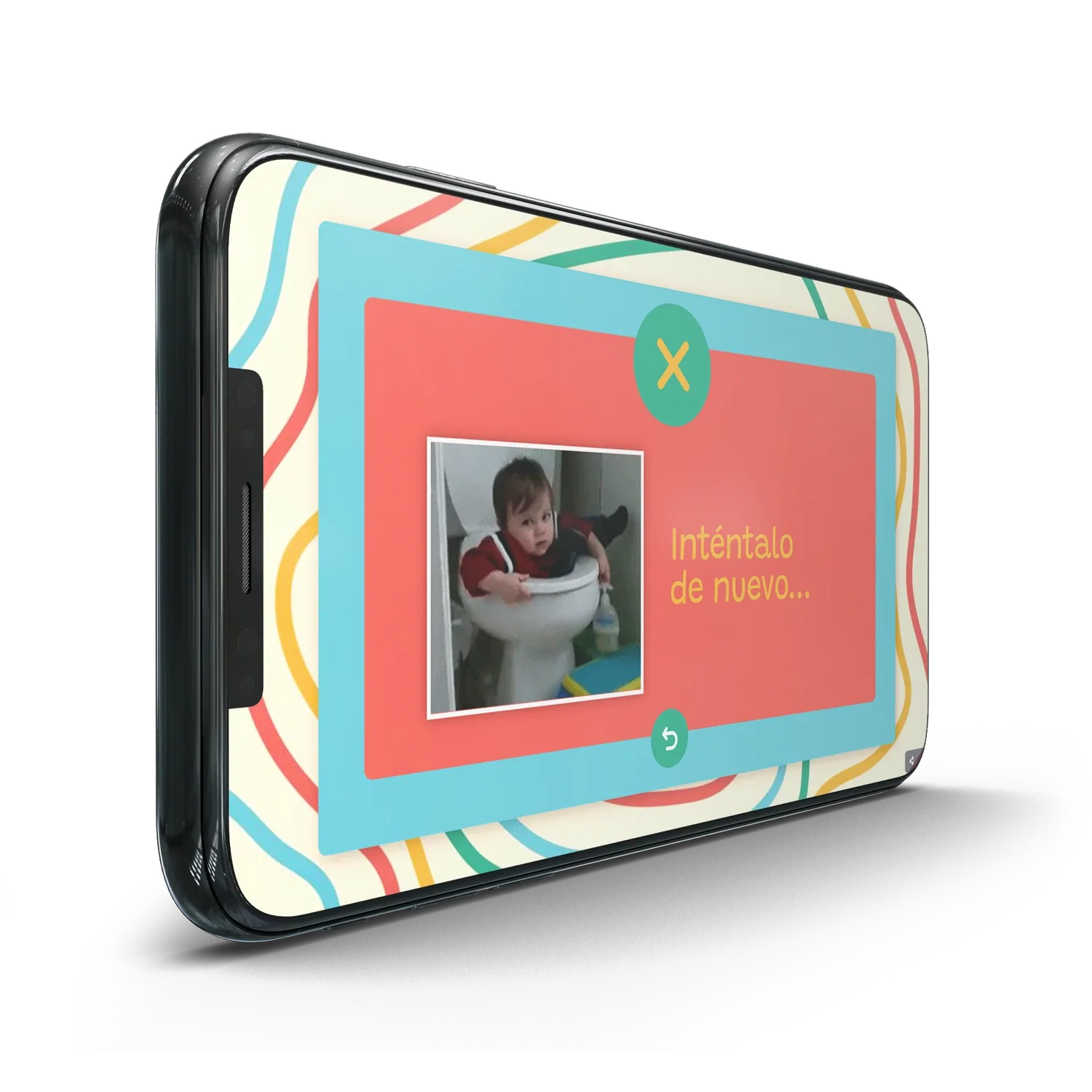
Gamified lessons published as a website and mobile app, shared over WhatsApp and email, with an assessment and certificate for each participant.
We stayed until the project closed
- 01We kept in touch with the team in Sechura.
After delivering the materials, we kept gathering findings and implementation details until the project closed in December 2022.
- 02We confirmed the results.
That follow-up made it possible to confirm what was achieved and to share the full research with regional authorities and other organizations.
- 03In person still counts for more.
For most of this audience, learning in person is more memorable than learning online. Combining both formats was the right call.
- 04The information stays for others.
Part of what was gathered is available to other organizations, to sustain the impact and support new non-profit social, scientific or educational causes.